
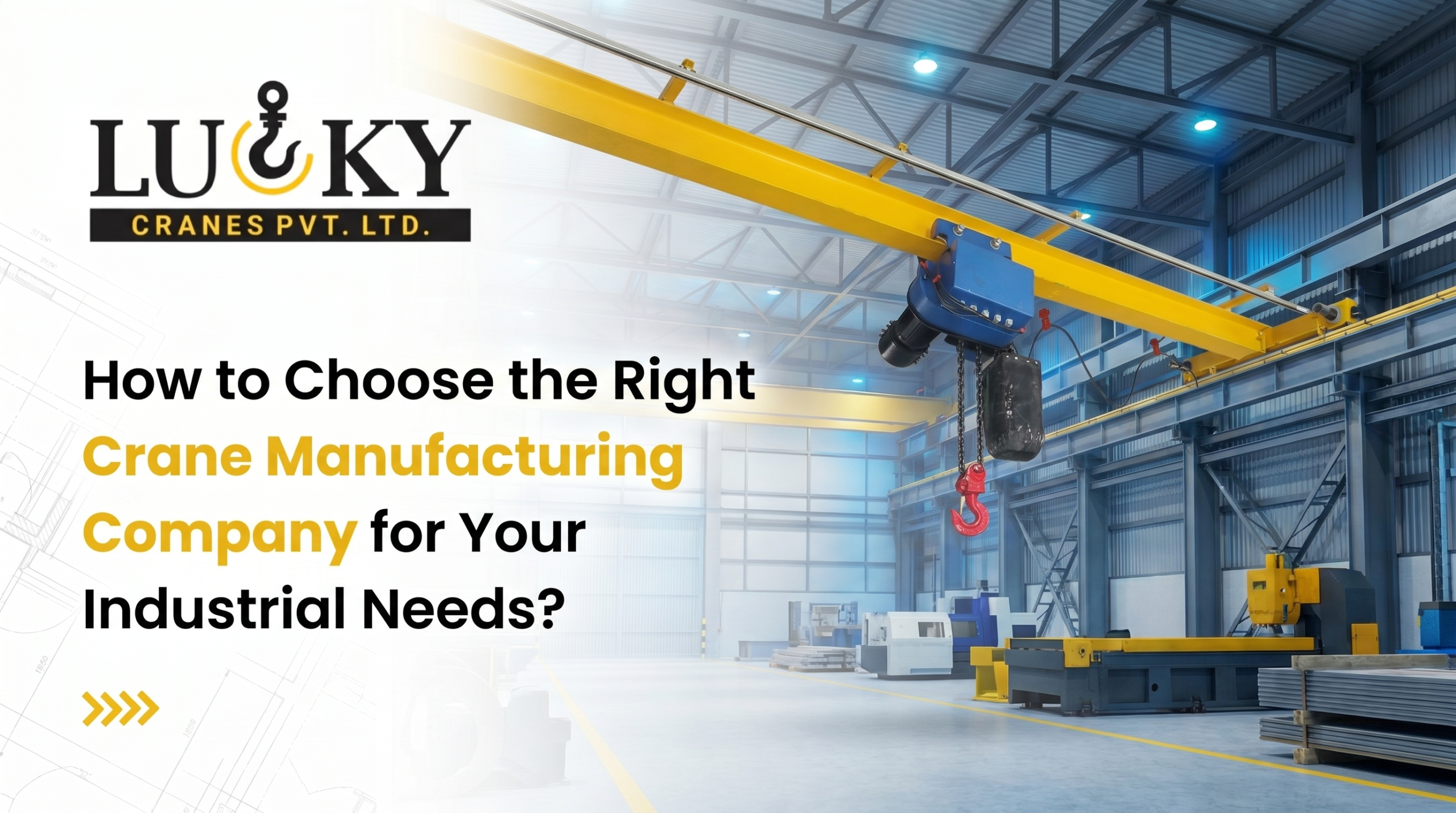
Selecting the right crane manufacturing company is one of the most important decisions for industries that depend on material handling, heavy lifting, and operational efficiency. A reliable crane partner helps improve productivity, workplace safety, and long-term cost savings. However, with multiple manufacturers available in the market, choosing the right supplier can be challenging. Industrial buyers must evaluate product quality, customization capabilities, after-sales support, compliance standards, and industry experience before making a final decision. This guide explains the key factors industries should consider while selecting a trusted crane manufacturing partner for their business operations.
Why Choosing the Right Crane Manufacturing Company Matters
On the other hand, an experienced crane manufacturing company delivers dependable lifting solutions designed for performance, safety, and durability.Industries such as construction, steel plants, warehouses, power plants, shipping, engineering, and manufacturing heavily rely on cranes for smooth operations.
Industrial cranes are long-term investments. Poor-quality equipment can result in:
- Increased maintenance costs
- Frequent operational downtime
- Safety risks
- Reduced lifting efficiency
- Higher energy consumption
Key Factors to Consider Before Selecting a Crane Manufacturing Company
1. Industry Experience and Expertise
Experience plays a major role in crane manufacturing. Companies with years of expertise understand different industrial challenges and can provide customized solutions accordingly. An experienced manufacturer can recommend the right crane configuration based on load capacity, span, height, and operational requirements.
When evaluating a manufacturer, check:
- Years in business
- Industries served
- Types of cranes manufactured
- Previous project portfolio
- Technical expertise
2. Product Range and Customization Capabilities
Every industry has different lifting requirements. Therefore, the selected crane manufacturing company should offer multiple crane solutions and customization options.
Common crane types include:
Crane Type | Application |
EOT Cranes | Heavy industrial lifting |
Gantry Cranes | Outdoor material handling |
Jib Cranes | Small workstation lifting |
Double Girder Cranes | High-capacity operations |
Single Girder Cranes | Medium-duty industrial use |
Customization features may include:
- Variable lifting capacities
- Remote control operation
- Customized span and height
- Safety automation
- Energy-efficient systems
Evaluate Manufacturing Quality Standards
A reliable crane manufacturing company follows strict quality control processes and international manufacturing standards. Manufacturers using advanced fabrication technologies and precision engineering generally produce more durable and reliable cranes. According to the Industrial Safety and Health Administration, proper crane safety and inspection procedures are critical for industrial lifting operations.
Important Certifications to Check
- ISO Certification
- BIS Compliance
- CE Standards
- Load Testing Certifications
- Safety Inspection Reports
Assess Technology and Engineering Capabilities
Modern industrial operations require technologically advanced crane systems.Advanced engineering improves operational efficiency and reduces maintenance requirements.Leading engineering standards are also supported by Crane Manufacturers Association of America.
Therefore, industries should evaluate whether the manufacturer uses:
- CAD-based crane design
- Automation systems
- Smart safety controls
- VFD technology
- Energy-efficient motors
- Anti-collision systems
Check Installation and After-Sales Support
A crane is not just a product; it requires professional installation, regular maintenance, inspections, and technical support. Reliable after-sales support helps minimize downtime and ensures long-term operational efficiency.
Before finalizing a crane manufacturing company, verify:
Service Support Checklist
- Installation assistance
- AMC services
- Emergency breakdown support
- Spare parts availability
- On-site inspections
- Technical training
Compare Safety Features
Industrial safety should always be a top priority when selecting a crane supplier.Modern safety systems help industries reduce workplace accidents and improve operational reliability. According to International Organization for Standardization, industrial lifting equipment should comply with globally Verified safety and quality standards.
Important Crane Safety Features
- Overload protection
- Emergency stop systems
- Limit switches
- Anti-sway technology
- Braking systems
- Load monitoring systems
Evaluate Pricing vs Long-Term Value
A high-quality crane may have a slightly higher initial investment but provides better ROI over time. Lowest pricing should never be the only deciding factor. Instead, buyers should focus on overall value, including the following:
- Product lifespan
- Energy efficiency
- Maintenance costs
- Spare part availability
- Productivity benefits
Importance of Client Reviews and Project Portfolio
A trusted crane manufacturing company should have a strong reputation in the market. A proven track record shows reliability and customer satisfaction.
Check:
- Client testimonials
- Google reviews
- Industrial case studies
- Completed project images
- Industry references
Signs of a Reliable Crane Manufacturing Company
Look for These Qualities
- Strong engineering team
- Transparent pricing
- Timely project delivery
- Custom design capability
- Quality-certified manufacturing
- Responsive support team
These factors help industries choose the right long-term crane partner.
Looking for a reliable crane manufacturing company for your industrial operations?
Lucky Cranes offers high-performance industrial crane solutions designed for safety, efficiency, and long-term durability.
Why Choose Lucky Cranes?
- Customized crane solutions
- Expert engineering consultation
- Competitive pricing
- Reliable after-sales support
- Quality-tested industrial cranes
Conclusion
Choosing the right crane manufacturing company directly impacts industrial productivity, safety, and operational efficiency. Buyers should carefully evaluate industry experience, product quality, engineering capabilities, customization options, safety standards, and service support before making a final decision. A trusted crane manufacturer not only supplies equipment but also provides long-term operational support and reliable industrial solutions tailored to business needs.