
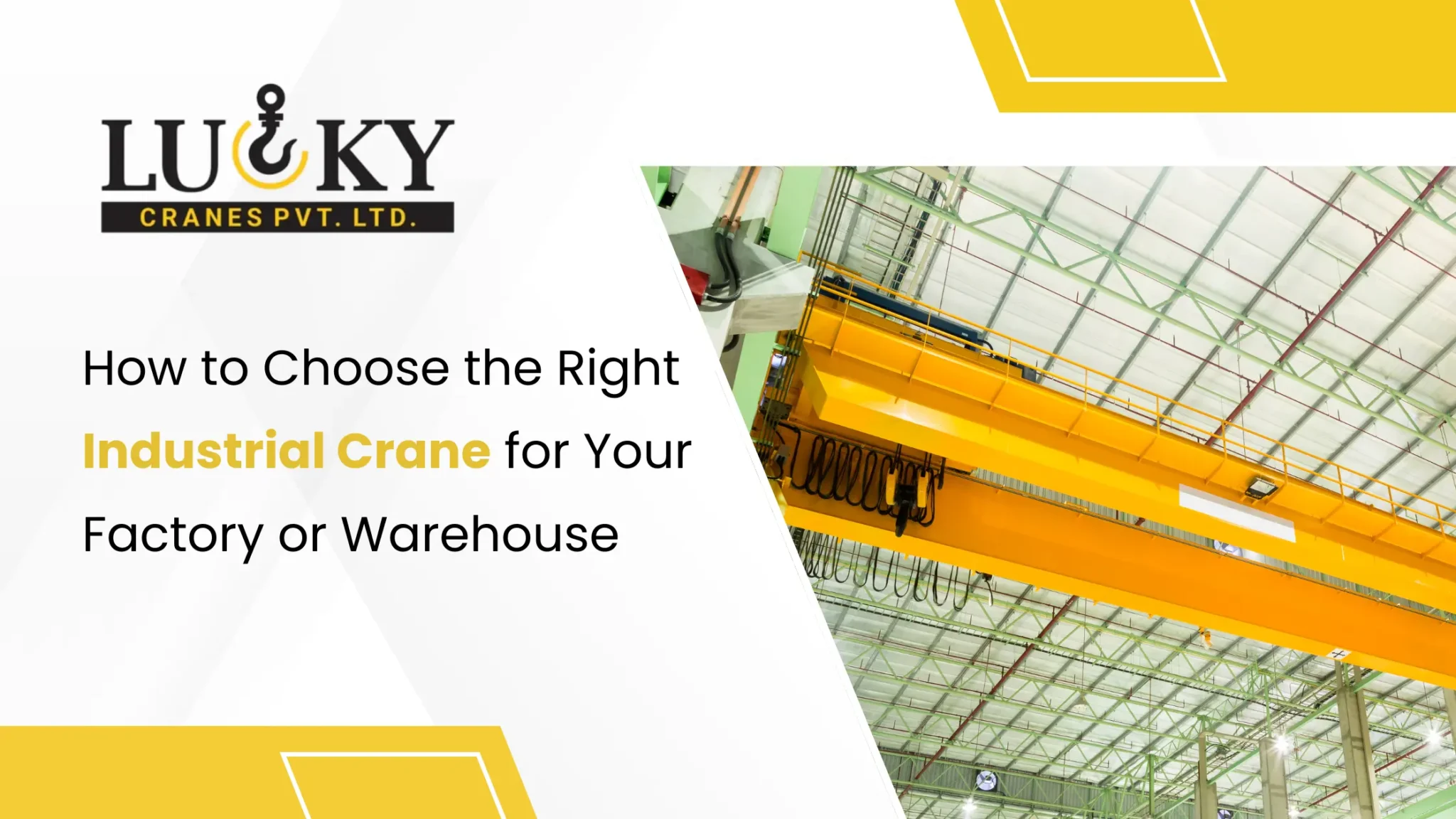
Choosing the appropriate crane system is an important decision in any factory or warehouse scenario. A well-chosen crane not only helps to improve productivity and ensure work safety but also minimizes downtime. Although there are several types of industrial cranes, the selection of the most appropriate one is a daunting task. An effective way to meet all your crane needs is to select a trusted industrial crane manufacturer.
Understanding Your Lifting Requirements
It is important, before deciding which kind of crane to buy, to determine your facility’s necessities.
Evaluate Load Capacity
The first aspect to take into consideration is the maximum weight which you would need to lift with the crane. This is important as cranes are made to be used with different weights, and it is vital to avoid overloading the crane as it may impair safety and result in damage to the crane.
Determining the Span and Coverage Area
The width and length of the space in your factory or warehouse need to be determined. The span of the crane and lifting height need to match the dimensions of the space in order for the material movement to take place in an unhindered manner.
Identify Frequency of Use
Will it operate during the course of the entire day, or only at times? For frequent operations, heavy-duty crane systems are employed, which can withstand frequent operations due to heavy-duty components and powerful motor systems.
Types of Industrial Cranes to Consider
Overhead Cranes
The overhead crane has beams that sit on the ceiling. They are best used in large plants where floorspace is a necessary consideration. The overhead crane covers the entire area as intended, making it suitable for lifting heavy loads.
Gantry Cranes
Gantry cranes operate with the support of their legs, which move along rails or wheels installed on the ground floor. Gantry cranes are used both indoors and outdoors and are considered versatile when permanent support structures are not present.
Jib Cranes
Jib cranes are generally compact and are meant to handle localized lifting. They can be used in situations that involve assembly operations because they are ideal for such conditions.
Choosing the correct crane type depends on your space constraints, load requirements, and operational workflow.
Safety and Compliance Considerations
Structural Integrity
Ensure your building structure can support the selected crane system. An experienced industrial crane manufacturer will conduct structural assessments before installation.
Safety Features
Modern cranes come equipped with advanced safety features such as overload protection, emergency stop systems, limit switches, and anti-collision devices. These features are critical for preventing workplace accidents.
Operator Training
Even the best crane system requires trained operators. Investing in proper training ensures safe and efficient usage.
Consider Customization Options for Crane
Every factory layout is unique. Customization plays a vital role in achieving optimal performance.
Custom Span and Height Adjustments
Tailored crane dimensions ensure seamless integration into your facility without disrupting workflow.
Specialized Hoisting Systems
Different applications may require electric chain hoists, wire rope hoists, or heavy-duty lifting mechanisms. Choosing the right hoisting system enhances performance and longevity.
Maintenance and Long-Term Support
Service Availability
Certain companies provide better service and support than others, particularly when it comes to post-purchase service and replacement parts. Regular maintenance not only serves to increase the lifespan of the crane but also to reduce downtime.
Energy Efficiency
Modern crane systems are equipped with power-efficient technology to minimize cost in the long run.
Industrial Crane: Budget Vs Long-Term Value
While the cost is a consideration, buying just on the basis of initial pricing can be very risky. Buying quality equipment from a good industrial crane manufacturer allows for longevity and safety, as well as better return on investment in the long run.
Conclusion
Ensuring that the appropriate type of industrial crane is used within a company can be achieved by carefully evaluating the needs for capacity, space, and operational efficiency. Such considerations ensure that a company is able to improve productivity and safety levels within an industrial environment. Through the effective provision of engineering and expert services, Lucky Cranes Pvt. Ltd is able to deliver advanced industrial crane services to fulfill modern industrial needs.